

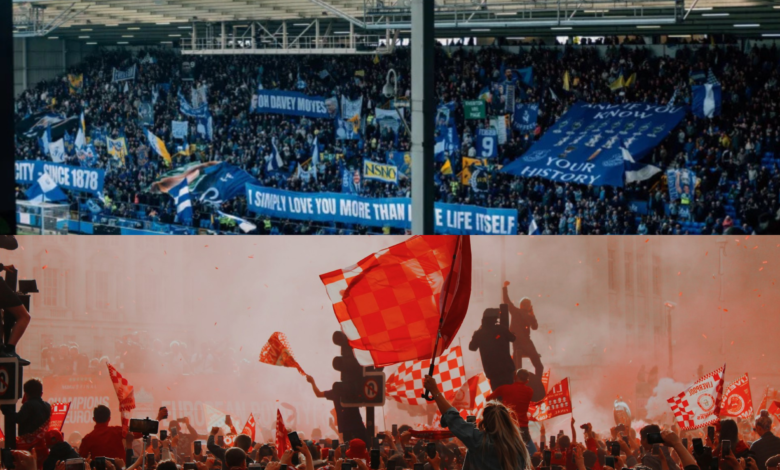
Football in Liverpool has always been about much more than what happens over 90 minutes. It’s woven into the city’s identity, its communities and its history. Whether you’re a lifelong season ticket holder, someone who grew up kicking a ball around the streets, or simply enjoy the atmosphere on matchday, football has a unique way of bringing people together.
When Liverpool lifted the Premier League trophy in the 2019/20 season, ending a 30-year wait for a league title, the celebrations spread far beyond Anfield. Streets were filled with red shirts, flags appeared from windows across the city and people from all walks of life shared in a moment that felt bigger than football itself.
With Liverpool once again expected to challenge near the top of the Premier League, optimism is never far away. Ahead of the new season, bookmakers have regularly placed Liverpool among the favourites to compete for the title, while Everton continue their own journey of rebuilding and looking to climb back towards the top of English football.
Of course, neither club became part of Liverpool’s identity overnight. Both have histories stretching back well over a century, helping shape not only football in the city, but the game across England.
The Story of Everton FC
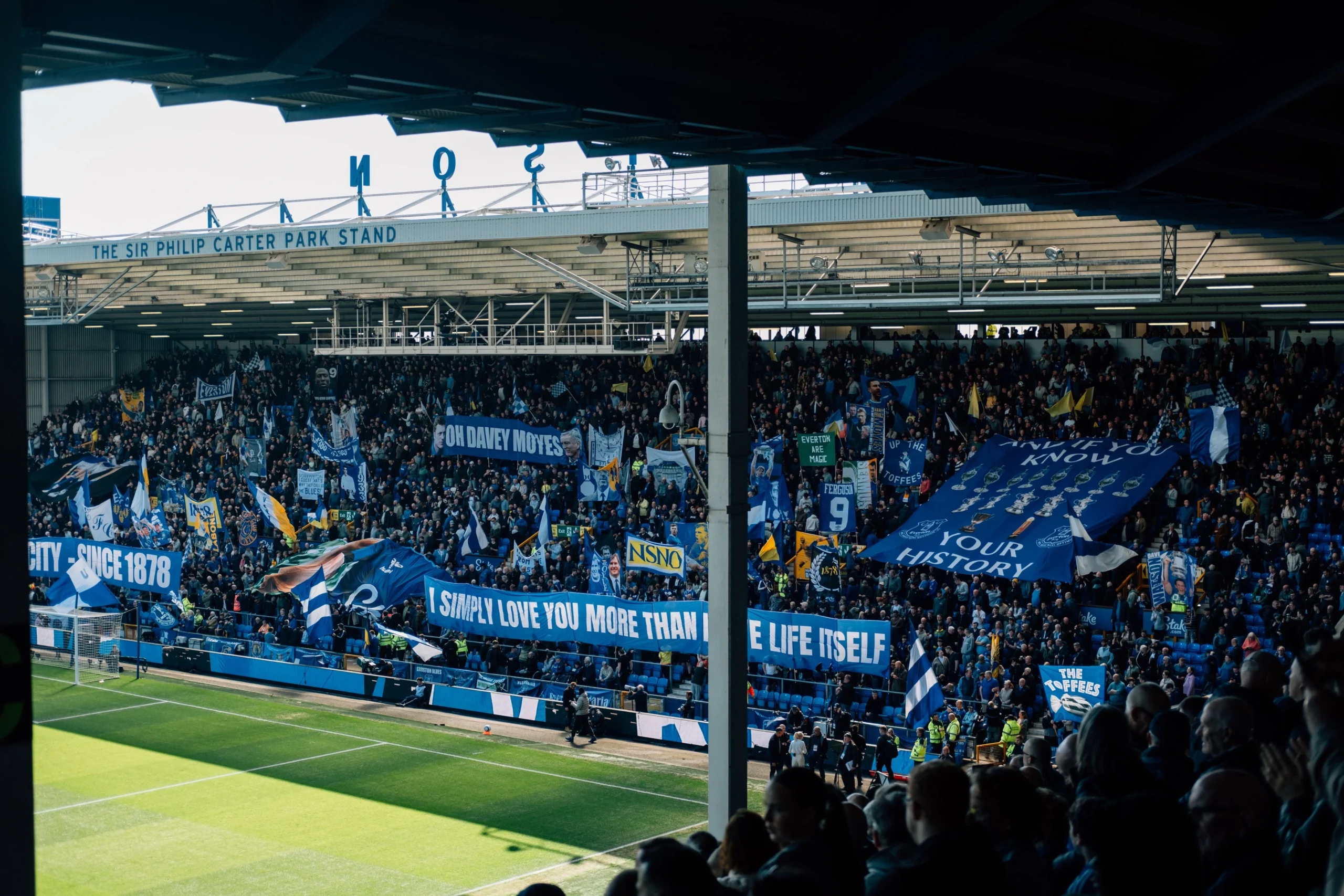
Everton’s roots go back to 1878 when members of St Domingo Methodist Church formed a football team called St Domingo F.C. As interest grew beyond the church community, the club was quickly renamed Everton F.C. to attract players from across the local area.
The change proved successful. Everton won their first match under the new name 6-0 against St Peters and, after moving between several grounds, eventually settled at Goodison Park, which would become one of English football’s most famous stadiums.
Throughout their history, Everton have achieved many firsts. They became the first Merseyside club to win the FA Cup in 1906, were the first Football League club to reach 5,000 league points and famously broke the £100,000 transfer barrier when they signed Alan Ball from Blackpool in 1966.
Away from the pitch, Everton have also earned a reputation for innovation and community engagement. From embracing digital platforms early to developing one of football’s most respected community programmes, the club has consistently looked beyond the game itself.
The Birth of Liverpool FC
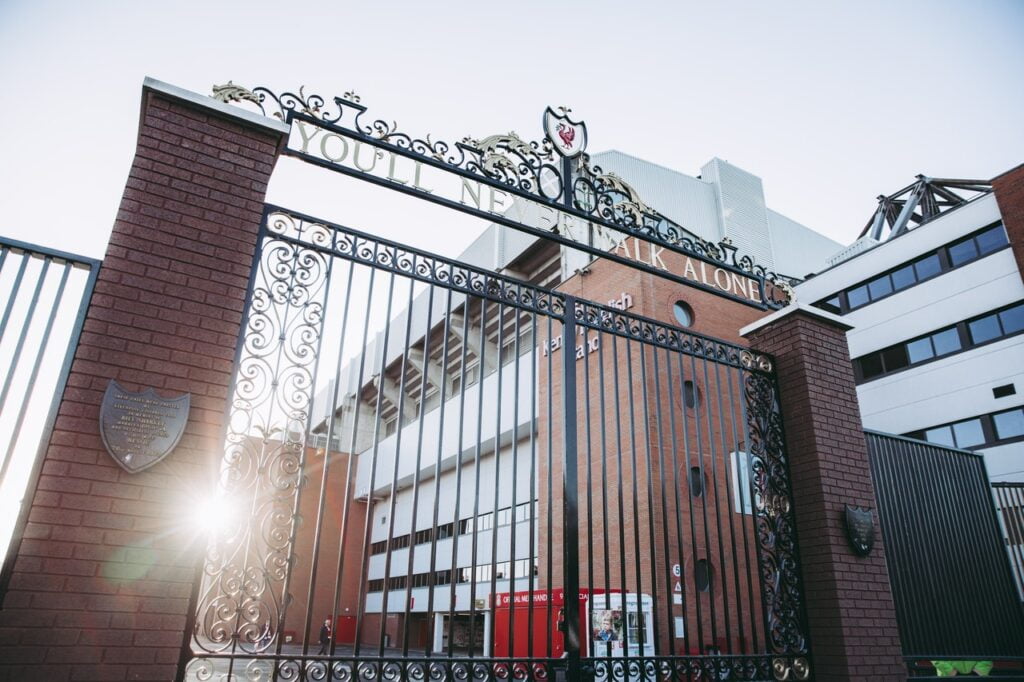
Liverpool FC was founded in 1892 following a disagreement between Everton officials and Anfield owner John Houlding. Rather than watch the stadium sit empty, Houlding formed a new club, and Liverpool Football Club was born. Success came quickly.
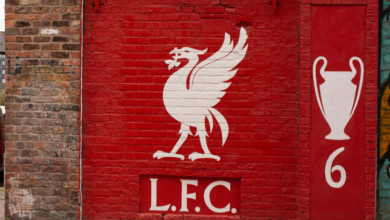
Liverpool won their first competitive match 8-0 against Higher Walton and earned promotion to the First Division just two years later. Over the decades, the club has grown into one of the most successful in world football, winning league titles, FA Cups, League Cups, European Cups and the FIFA Club World Cup.
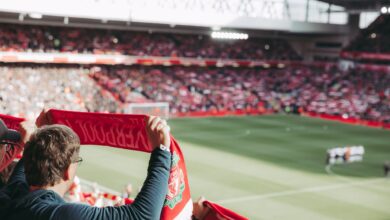
Yet for many supporters, the trophies only tell part of the story. The club’s anthem, You’ll Never Walk Alone, has become one of football’s most recognisable songs. Sung by tens of thousands before kick-off at Anfield, it’s more than a tradition—it’s a statement about solidarity, resilience and standing together through good times and bad.
A Game Built On Working-Class Communities
To understand why football means so much in Liverpool, it’s important to understand where the game came from.
Modern football may now be a global, multi-billion-pound industry, but many of England’s earliest successful clubs came from working-class industrial towns. Nearly half of the founding Football League clubs represented communities built around factories, docks and mills—including Everton.
While the early rules of football were written by graduates from Cambridge University and early FA Cup competitions were dominated by wealthy southern amateur sides such as the Old Etonians, the balance of power gradually shifted north.
One of football’s defining moments came in 1883 when Blackburn Olympic, a team made up largely of working men, defeated the Old Etonians in the FA Cup Final. It was symbolic of football becoming the people’s game. Liverpool embraced that identity wholeheartedly.
Generations of children grew up playing football in streets, parks and school playgrounds before heading to Anfield or Goodison Park on matchdays. Supporting your club became something that was passed from parents to children, often becoming part of a family’s identity.
Even today, football remains deeply connected to Liverpool’s sense of community. Victories create unforgettable shared memories, while defeats often strengthen the bond between supporters who continue backing their team regardless of the result.
Many professional footballers also come from working-class backgrounds themselves. Their journeys from local pitches to the Premier League continue to inspire young people who dream of following a similar path.
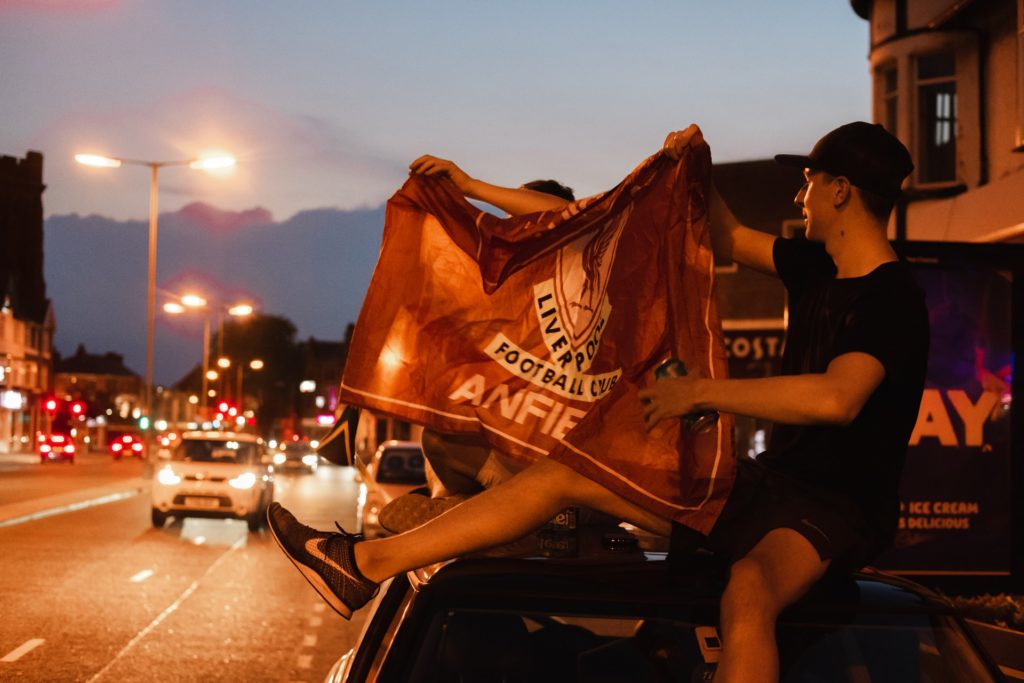
More Than Supporters: The Culture of Football Fans
Liverpool’s football atmosphere is famous around the world, but supporter culture extends far beyond Merseyside.
Across Europe, South America and parts of Asia, organised supporter groups known as Ultras create elaborate displays, choreographed chants, flags and tifos that turn football stadiums into spectacular visual events. While England has traditionally developed a different style of support, Scotland has seen Ultra culture grow significantly in recent years, with groups such as the Green Brigade at Celtic and the Union Bears at Rangers becoming central parts of the matchday experience.
Liverpool doesn’t really have an Ultra culture in the continental sense. Instead, the city’s atmosphere has developed through decades of organic support, terrace songs and traditions. The Kop at Anfield has become legendary not because of choreographed displays, but because of the sheer collective voice of thousands of supporters singing in unison. Goodison Park has earned a similar reputation, with its close-to-the-pitch stands creating one of the most intense atmospheres in English football.
Different traditions, perhaps—but all driven by the same thing: an unwavering passion for their club.
Why Football Matters To Liverpool
Football’s importance stretches well beyond the stadium gates.
Every home match brings thousands of visitors into the city, filling hotels, restaurants, pubs and local businesses. Matchdays support jobs across hospitality, retail and tourism, making football a significant contributor to Liverpool’s economy.
During Liverpool’s remarkable 2013/14 Premier League season, more than 100,000 overseas visitors travelled to Anfield. On average, they spent around £855 during their stay, contributing approximately £84 million to the local economy.
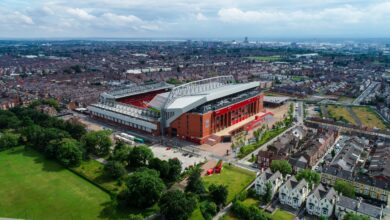
Today, Anfield remains one of the UK’s most visited football stadiums, attracting fans from every corner of the globe alongside other iconic grounds such as Old Trafford and the Emirates Stadium.
The impact doesn’t stop there. Both Liverpool FC and Everton continue to invest heavily in their communities through charitable foundations, education programmes and local initiatives. Players regularly visit schools, hospitals and community projects, recognising the influence they have on young supporters throughout the city.
More than a game
For Liverpool, football has never simply been about winning trophies. It’s about identity. It’s about belonging. It’s about families who have supported the same club for generations, friends meeting before kick-off, children dreaming of wearing the shirt one day, and complete strangers celebrating together after a last-minute winner.
Whether you’re standing on the Kop, sitting in the Gwladys Street End, or simply watching from your local pub, football remains one of the threads that holds Liverpool together.
And that’s why, in this city, it will always be much more than just a game.