


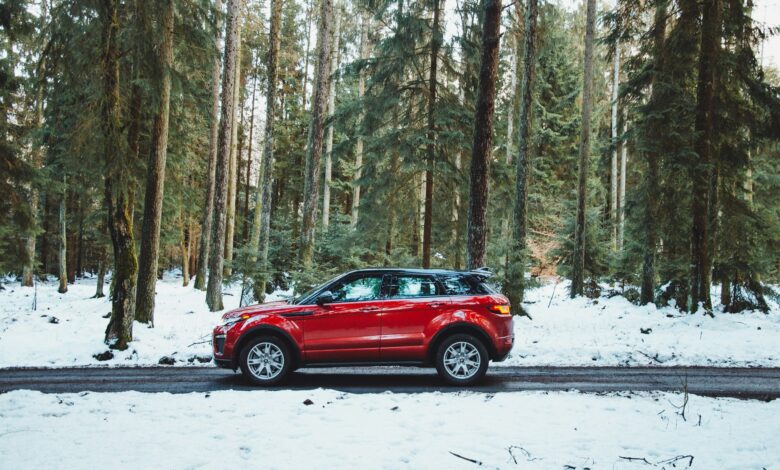
Wintry conditions can make even the most familiar roads more challenging to navigate. As temperatures fall and daylight hours shorten, a route might become hazardous when visibility drops or tyres struggle to maintain grip.
However, with a little preparation and a more cautious approach, you can make a significant difference to how you manage in icy, snowy conditions.
Prepare the vehicle before setting off
Before you turn the key on a frosty morning, evaluate whether you genuinely need to travel during severe weather warnings. If you must drive, walk around your car to sweep snow off the roof, bonnet, lights, mirrors and every window. This means snow isn’t likely to block your windscreen when you brake.
Check that your tyres have sufficient tread depth and top up your reservoir with concentrated screenwash formulated for freezing temperatures. Also, check your wiper blades for splits so they clear freezing spray cleanly rather than smearing grime across the glass.
Adapt speed and stopping distances
Even freshly gritted motorways and A-roads can hide dangerous patches of ice. In wet, slippery conditions, your tyres need extra time to grip the surface. This doubles your braking distance compared to dry tarmac.
You could need as much as 10 times the normal distance to bring your vehicle to a halt – sometimes more. You should drop your speed well below the posted limit and leave a generous gap behind the traffic ahead. Increasing your following distance gives you more time to react if a driver ahead skids or brakes unexpectedly.
Drive smoothly when roads are icy
When you accelerate aggressively or jerk the steering wheel, you overwhelm your vehicle’s traction and risk skidding. To maintain better stability, scan the road ahead for hazards and choose a higher gear to reduce wheelspin. Also, apply gentle, progressive pressure to every control.
Because transparent black ice blends into dark tarmac, watch for sudden changes in tyre noise or unusually light steering as early clues that the surface has frozen.
Take extra care around motorcyclists and other vulnerable road users
Look out for cyclists, pedestrians and horse riders. Poor visibility and slick tarmac make balancing a bike difficult. If you’re one of these more vulnerable road users, ensure you wear high-visibility gear and use protective clothing.
Official Department for Transport road casualty statistics consistently demonstrate that motorcyclists suffer serious injuries relative to the miles they travel. You can help prevent avoidable accidents and cycling accident claims by checking your blind spots twice at junctions and giving all vulnerable road users extra space whenever the weather deteriorates.