

Experiencing Europe properly usually means slowing things down and paying attention to how people actually move through the landscape. Big cities have their place, but the continent makes more sense once daily rhythms come into focus. That might be walking a long stretch of coast, crossing borders on a bike, or staying somewhere long enough to notice when shops close for lunch. These trips tend to leave clearer memories because they rely less on planning and more on observation.
What follows isn’t about ticking off countries. But spending time in places where geography, climate, and local habits shape the experience. Each approach below is practical, grounded in real-world locations, and easy to adapt according to time, budget, and energy. None of them requires specialist gear or insider knowledge, just a willingness to travel differently.
Pet-Friendly Relaxing Breaks All Around Europe
Travelling with a dog changes the pace in a good way. Routes are chosen more carefully, days are structured around walks, and accommodation matters more than location. Whether staying in the UK or heading across the Channel, dog friendly breaks are now treated as standard rather than niche. Britain excels with its cosy pub culture and free rail travel for pets, while countries like Germany and France offer a relaxed approach where dining with a dog is entirely normal.
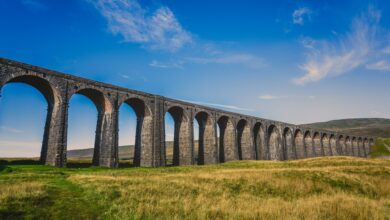
Rural areas tend to work best. The Lake District and Yorkshire Dales offer endless public footpaths that rival the extensive, well-marked routes of the Bavarian Alps or the Black Forest. In France, regions like the Dordogne combine quiet lanes with riverside strolls, much like the Wye Valley. It’s less about luxury and more about ease.
Exploring the Coastal Landscape of Northern Europe
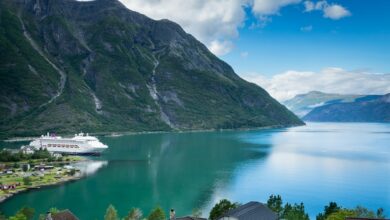
Northern Europe’s coastline feels functional rather than curated. From Denmark’s west coast to the fjords of Norway and the islands of western Scotland, the landscape dictates movement. Paths follow cliffs, harbours sit where shelter exists, and weather often decides the day’s plan.
The North Sea coast of Denmark is a good example. Long, flat beaches backed by dunes stretch for kilometres, with small fishing towns like Hvide Sande breaking the line. The terrain is easy, but wind and tide shape every walk. Further north, Norway’s Lofoten Islands offer a sharper contrast, with narrow paths climbing above inlets and drying racks lining the shore.
In Scotland, routes like the Fife Coastal Path or sections of the Hebrides Way connect villages that still rely on the sea. Shops close early, buses are infrequent, and planning matters. That practical reality becomes part of the experience. You walk when you can, stop when the weather turns, and adjust without much fuss.
Cycling Around Eastern Europe
Eastern Europe suits cycling because distances between towns are manageable, and terrain often follows rivers or ancient trade routes. Countries like Hungary, Slovakia, and Romania have invested steadily in cycle infrastructure without overcomplicating it. Routes are marked, surfaces are decent, and traffic tends to thin out quickly once outside cities.
The Danube Cycle Path through Hungary and into Slovakia is a solid starting point. Flat, well-maintained, and dotted with villages, it’s ideal for multi-day rides. Romania’s Transylvania region offers something different, with rolling hills, quiet roads, and fortified churches appearing without warning. Cycling trips in Europe feel authentic, and that’s part of the appeal.
Accommodation is straightforward. Guesthouses expect cyclists, meals are filling, and bikes are usually left without issue. Trains accept bicycles with limited paperwork, making route planning flexible.
Walking Through the Sunny Landscapes of Southern Europe
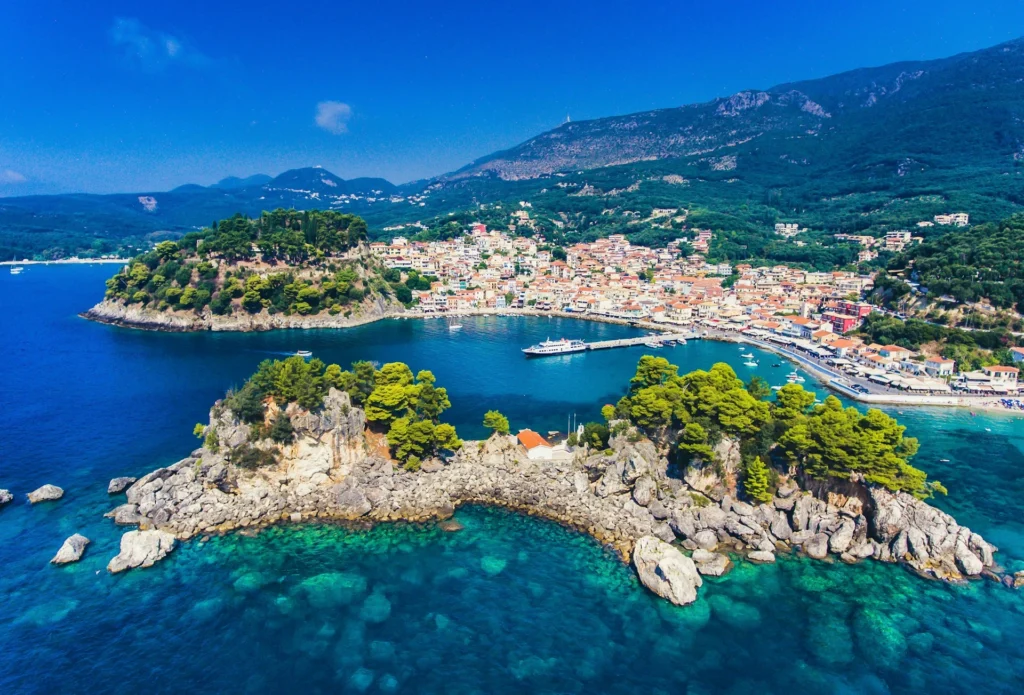
Southern Europe rewards walking outside the hottest months. Spring and autumn open up long-distance routes across Spain, Italy, and Greece that would feel punishing in summer. The land here is shaped by agriculture as much as geology, so paths often pass olive groves, vineyards, and smallholdings rather than untouched wilderness.
In Spain, routes like the Camino del Norte or inland sections of the Via de la Plata pass through working landscapes where bars open early and meals are predictable. Italy’s Apennines offer quieter alternatives to Alpine walking, with trails linking hill towns and valleys. Paths are sometimes rough, but signage has improved steadily.
Greece’s island networks, especially in places like Naxos or Andros, rely on old mule tracks connecting inland villages to the coast. These walks are practical rather than scenic by design. Shade matters, water points are spaced out, and timing is important.
Surfing in Western Europe
Surfing in Western Europe is shaped by weather systems rather than seasons. The Atlantic coast delivers consistent swells, but conditions shift quickly. Portugal’s west coast, particularly around Peniche and Ericeira, works year-round, though winter brings heavier waves and colder water. Infrastructure is simple and geared towards regular surf rather than spectacle.
France’s southwest coast, around Hossegor and Seignosse, has long beaches and powerful breaks. Local knowledge matters here, especially with sandbanks changing after storms. In the UK, Cornwall remains the most reliable region. The best places to surf in Cornwall usually focus on spots like Fistral, Perranporth, and Sennen, each with different exposure and access.
Surf travel in these areas fits well into longer trips. You can move between breaks, wait out poor conditions, and find accommodation without committing to a single spot. Days are structured around tide charts and forecasts, not schedules.
Summary
These ways of travelling don’t promise efficiency or spectacle. They rely on paying attention, adjusting plans, and letting geography lead. Europe works well for this kind of travel because borders are close, infrastructure is reliable, and local habits are still visible if you slow down.
Whether it’s walking a coastal path, cycling through farmland, or planning a trip around a dog’s needs, the focus shifts from consumption to movement. You end up learning how places function rather than how they’re presented.
For travellers looking for something grounded and practical, these approaches offer a clearer sense of place. They don’t suit everyone, but they don’t have to be.