
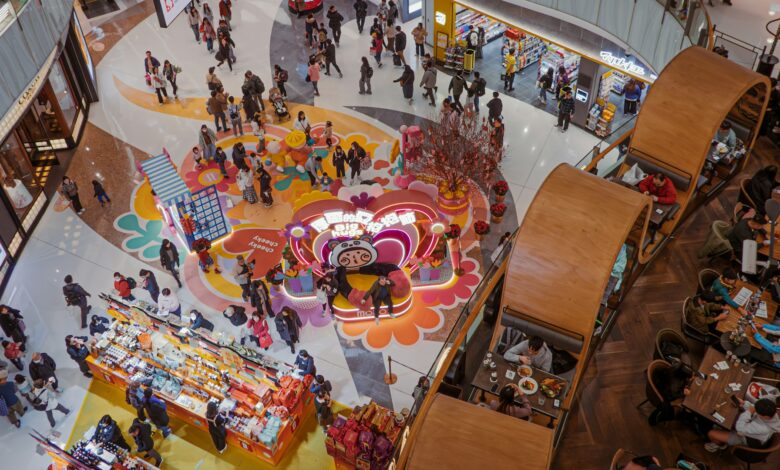
Digital advertising costs continue to rise and consumer attention spans continue to shrink; brands are constantly looking for new ways to connect with customers in memorable, impactful ways. One strategy that has surged in popularity over the last decade is the pop-up event. At first glance, pop-ups might seem like a trend that only fashion brands or small retailers use for short-term hype. In reality, they have become a powerful tool across industries. From food and beverage to tech companies to service brands the power of the pop-up lies in its ability to create real-life experiences that deepen emotional connection with customers. This blog post explores how brands are using pop-up events to build buzz and drive sales and explains why your brand should be doing it too.
What Is a Pop-Up Event
A pop-up event is a temporary branded experience that appears in a physical location for a limited time. These activations can take many shapes and sizes. Some are temporary stores or showrooms where people can see, touch and buy products. Others are immersive experiences, workshops, parties or interactive spaces that let customers engage with a brand in a specific environment. The one thing most pop-ups have in common is that they are time-bound. They exist for a moment, and then they are gone.
The transitory nature of pop-ups gives them their power. They create urgency. They feel exclusive. They are more than a place to buy something. They are an event people want to experience and talk about.
Why Pop-up Events Are Powerful
To understand why pop-up events work so well, you have to think about how consumers make choices today. Traditional advertising is less effective than ever. Many people skip ads, ignore banner ads online and scroll past paid posts. The brands that win are the ones that create emotional connections and give people something worth talking about. Here are some of the psychological and marketing forces that make pop-up events so effective.
1. Scarcity Creates Urgency
When something is available for a limited time, it becomes more desirable. People do not want to miss out. This is a basic psychological principle. Limited edition products often sell out quickly. Limited-time events draw crowds. Pop-ups take advantage of that urgency. They give people a reason to act now.
2. Experiences Drive Word of Mouth
People do not share ads. They share experiences. They post photos of cool installations. They tell friends about a fun event they went to. That kind of organic word of mouth is priceless. A well-executed pop-up is an experience people want to talk about. And when people talk about your brand, your reach expands exponentially.
3. Physical Presence Builds Trust in a Digital World
Many brands today exist primarily online. E-commerce has transformed shopping but it also creates a disconnect. Customers can see a product on a screen but they cannot touch it. They cannot experience the brand in person. Pop-ups allow brands to bridge that gap. They build trust. They make the brand tangible and real.
4. Data Collection and Direct Feedback
At a pop-up event, brands can interact directly with customers and learn what they like or dislike. They can collect emails, run surveys, test new products. This kind of first-party data is incredibly valuable. It grounds future decisions in real insight from real customers, not just clicks and likes.
5. Social Media Friendly Content
Modern pop-up events are often designed to be visually striking. Instagram-worthy moments, photo walls, interactive installations. These features encourage people to take photos and share them on social media. Suddenly, the event itself becomes part of your marketing engine.
How Brands Are Using Pop-up Events Today
Pop-ups are being used in creative and diverse ways across industries. Here are some examples of the strategies brands are using and why they work.
Retail and Fashion
Retail and fashion were early adopters of pop-up events but they keep reinventing how they use them.
A fashion brand might open a pop-up shop in a high-foot-traffic area to debut a new collection. Instead of a normal store, they might include stylists, personalized fittings, limited edition products and photo-friendly displays.
Many brands also partner with artists or local creators to design unique pop-up experiences. This not only creates buzz but also aligns the brand with the values and interests of its audience.
Retail pop-ups are also being used to test new markets. A brand might open a short-term store in a city where it does not yet have a permanent location. If the response is strong, it might invest in a permanent store later. This is a low-risk way to try out new geographies.
Food and Beverage
Food and beverage brands often use pop-ups to launch new products. A beverage company might open a tasting room where guests can try new flavors before they hit shelves. A restaurant concept might run a series of pop-up dinners that allow chefs to experiment with menus and build a following before investing in a permanent location.
Pop-up events are also ideal for seasonal offerings. Think summer ice cream stand or winter hot chocolate bar. These limited-time experiences create urgency and become traditions that customers look forward to.
Tech and Electronics
For tech companies, pop-ups are about demoing products in a way that feels personal and engaging. A smartphone maker might create a pop-up where people can test camera features in different environments. A gaming company might open an interactive play zone where players can try new titles.
These events help remove the abstract nature of tech products. When people can see and try things in person, they are more likely to make a purchase.
Beauty and Personal Care
Beauty brands are masters of experiential pop-ups. Makeup brands create spaces where customers can get free makeovers, try new products and learn tips from professionals. Skincare brands offer consultations and samples. These pop-ups make the purchase process feel fun and educational.
Some beauty pop-ups also incorporate mini events like talks with influencers or workshops on skincare routines. This transforms the activation from a sales pitch into a mini learning experience.
Services and B2B Brands
You do not have to sell a physical product to benefit from a pop-up. Service brands and even B2B companies are using temporary events to generate leads and build relationships. A coworking brand might open a pop-up workspace in a new city. A financial services company might host a series of workshops on investing basics. These events position the brand as helpful and build trust with potential customers.
For brands that want to make the most of their experiential marketing efforts, working with a professional agency like eventeem can streamline planning, promotion and execution while maximizing audience engagement.
What Makes a Successful Pop-up Event
Not all pop-ups are created equal. Some generate massive buzz and sales. Others fail to draw a crowd. What separates the winners from the losers? Successful pop-up events have a few key ingredients.
Clear Objective
Every pop-up event needs a clear goal. Are you launching a new product? Trying to generate leads? Building brand awareness? Testing a new market? The strategy you choose should be tied directly to your objective. Without clarity on what success looks like, it is impossible to measure results.
Strategic Location
Location matters. High foot traffic areas are obvious choices, but they also come with high costs. Some brands choose smaller, unexpected spaces that create a sense of discovery. The key is to align the location with your audience and your objective. You want to meet people where they are or make them curious enough to come to you.
Immersive Brand Experience
Pop-ups are not traditional retail spaces. They should be immersive. This means thinking beyond products and sales. Include interactive elements, visual design that tells a story, educational components or even entertainment. The more engaging the experience, the more likely people are to stay longer, talk to others about it and share it online.
Social Media Friendly Design
Make your event easy to document and share. This does not mean just putting up a logo. It means creating moments that feel special and visually compelling. Installations with bold colors, playful interactive elements, unique backdrops. These things make people want to take photos and share them. In many campaigns, the social media content generated by attendees becomes the most valuable marketing asset.
Seamless Integration With Digital
A pop-up should not exist in isolation from your digital strategy. Promote the event online before it happens. Use email, social media and influencers to drive attendance. During the event, encourage people to sign up for your email list, follow your social channels or join a community. After the event, follow up with attendees. Thank them, share photos, offer a discount or invite them to future events. A pop-up can be the beginning of an ongoing relationship, not just a one-time activation.
Measure Results
Make sure you measure the results of your pop-up event. This includes attendance, sales, email sign-ups, social media mentions and hashtag usage. If your goal was product feedback, collect and analyze that. If your goal was to enter a new market, track sales or leads in that region after the event. Measurement allows you to learn and improve for future activations.
Examples of Brilliant Pop-up Campaigns
Real-world examples help bring these ideas to life. Here are some of the most successful pop-up strategies used by brands.
A Seasonal Ice Cream Pop-up
A popular ice cream brand opens a summer pop-up in a beach town. It features new seasonal flavors that are only available at the pop-up, a few local collaborations and a photo-friendly mural wall. They charge for premium experiences like flavor flights and tasting sessions. The event drives foot traffic, builds brand visibility and sells products that are not available elsewhere. Social posts from visitors flood Instagram with beautiful images of colorful ice cream cones in front of the mural.
A Tech Demo Space
A tech brand launches a new gadget and sets up temporary demo spaces in major cities. Instead of a boring store, they create themed rooms that show off the device in different contexts. People can book time slots, try the device and talk with brand ambassadors. The event is heavily promoted online and media outlets cover the launch. The result is strong sales, high engagement and a flood of user-generated content from excited customers.
A Beauty Lounge Experience
A beauty company opens a luxury lounge where customers can get free consultations, sample new products and attend mini workshops with makeup artists. The event is free but requires reservations. Attendees receive gift bags with samples and coupons. The brand collects email addresses and promotes future product launches to this new list. Many attendees make purchases on site or shortly after the event.
A Coffee Brand Roadshow
A coffee brand takes a pop-up on the road. Instead of one location, they create a traveling experience that visits several cities. Each stop features exclusive merchandise and limited edition blends. The brand partners with local music acts and food vendors. This creates a festival atmosphere that draws crowds in each city. The roadshow builds buzz across regions and amplifies the brand message nationally.
Why Your Brand Should Use Pop-up Events Too
At this point, you might be thinking pop-up events sound exciting but you are wondering if they are worth the investment. The short answer is yes. If executed thoughtfully they can transform your brand in several ways.
They Build Deeper Emotional Connections
Consumers crave experiences. They want to feel something. Pop-up events create moments that go beyond transactions. They make people feel included, entertained, valued and curious. These feelings build loyalty. Customers who feel connected to a brand are more likely to become repeat buyers and brand advocates.
They Expand Your Reach
Pop-ups create news. Journalists, influencers and social media users all love covering live events. A memorable pop-up can generate thousands of impressions online, far beyond the physical footprint of the event itself.
They Provide First-Party Data
In a world where privacy changes are reducing the value of third-party data, brands need new ways to learn about customers. Pop-ups allow you to collect first-party insights directly from people who engage with your brand. This is powerful for refining marketing targeting and product development.
They Drive Revenue
Pop-ups are not just about buzz. When done right, they drive sales. Whether it is sales on site or sales in the months after the event, they contribute directly to your bottom line.
They Help You Test and Learn
Thinking about entering a new market? Launching a new product? A pop-up gives you real-world feedback. You can test products, pricing, messaging and experiences before making bigger investments.
How to Get Started With Your First Pop-up
If you are convinced but not sure where to start, here is a basic roadmap.
Define Your Goal
Be clear about why you are doing the pop-up. Is it brand awareness, sales, data collection or product testing?
Know Your Audience
Where do they live? What places do they frequent? What experiences matter to them? Your event should align with where they are and what they like.
Choose the Right Format
Do you want a temporary store, an immersive experience, a workshop series or something else? Choose a format that fits your brand, your goal and your budget.
Pick a Location
Evaluate foot traffic, costs and audience proximity. Consider unconventional spaces that might add surprise value.
Design the Experience
Think about what people will see, do, take photos of and remember. The more interactive and sensory the experience, the better.
Promote the Event
Use email lists, social media, influencer partnerships and press to build excitement before the event.
Measure and Learn
Track what matters. Numbers on attendance, sales, follows, email sign-ups and feedback will help you refine future events.
Final Thoughts
Pop-up events are more than marketing stunts. They are a strategic way to bring your brand to life in the real world. They create urgency, build emotional connection, generate content and drive sales. As the digital landscape becomes more crowded and competitive pop-ups stand out because they create real human moments. If your brand wants to build buzz, deepen engagement and grow your customer base, it is time to think beyond traditional advertising and invest in experiences that people will remember and share.