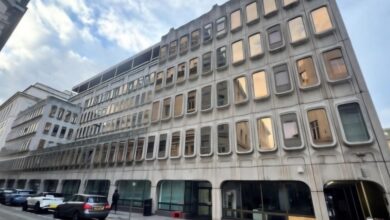



Liverpool is now full of independent shops, cafés, studios and small companies. In places like the Baltic Triangle and Fabric District, many people have opened new businesses that match Liverpool’s distinctive style and history. These spaces help local owners try new ideas and build strong connections in the community.
For many, owning a business here means more than just making money; it is about being part of Liverpool’s future and collaborating with others in the city.
Many of Liverpool’s independent businesses are run by owners who make smart plans for what will happen when they want to step back. These ownership changes make it possible for owners to hand over control to people already working in the business. This helps the business continue its distinctive approach and gives local teams the chance to lead the business for years to come.
Liverpool’s Thriving Independent Business Sector
Liverpool has become a powerhouse for independent businesses, with many reports indicating the city is home to a large number of active businesses. This strong base of independent shops, creative studios, and service providers has helped shape the city’s reputation for entrepreneurship and new ideas.
The growth of these businesses has brought more jobs for local residents, made Liverpool’s neighbourhoods more lively, and encouraged long-term investment. The rise of independent retailers and creative spaces has provided a stronger base for communities and a pathway for future business leaders to emerge.
The city’s independent sector is especially visible in areas like the Fabric District, which is home to many businesses mostly in fashion and creative industries. This concentration of creative energy has helped the district become a hub for new ideas and collaborations, drawing attention from across Liverpool and beyond.
Economic Impact of Independent Businesses
Independent businesses play an important role in Liverpool’s economy through job creation, local spending, and community investment. Their collective influence extends beyond financial measures to include cultural vibrancy and neighbourhood identity that attracts visitors and new residents alike.
These businesses often operate with strong local supply chains, keeping more money circulating within the Liverpool economy. This effect can make the overall business environment stronger and create resilience during economic challenges.
Business Ownership Transitions Reshaping the City
Professional MBO advisory services support Liverpool owners as they manage the financial and legal steps required for transferring ownership to management teams. Management buyouts (MBOs) have become increasingly common among Liverpool’s established independent businesses, allowing founding entrepreneurs to step back while ensuring their businesses remain in capable, familiar hands.
Expert local advisors can help prevent common mistakes around structuring deals or negotiating terms. A thoughtful advisory process ensures continuity and helps address misunderstandings before they cause disruption.
Liverpool’s creative and cultural sectors have especially benefited from well-structured ownership transitions. For example, the Baltic Creative CIC, which provides workspace for digital and creative businesses, is part of the wider Baltic Triangle area that has seen a steady renewal. This ongoing transformation has helped maintain a community-focused mission while allowing for new strategic direction.
Resources for business owners considering transition options can be found through management buyout advisory services. These professionals understand Liverpool’s specific business climate and can connect management teams with suitable funding sources, including regional investment funds and local networks that encourage business continuity.
Planning for Successful Transitions
Effective ownership transitions require careful planning, often beginning years before the actual handover. Liverpool business owners increasingly see the benefits of developing clear succession plans that address both financial and operational considerations.
The most successful transitions involve gradual transfers of responsibility, allowing new leaders to develop their skills while benefiting from the experience of founding owners. This approach helps preserve important business relationships and institutional knowledge.
Financing Options for Management Teams
Management teams pursuing buyouts in Liverpool can access various financing structures tailored to their specific circumstances. These might include traditional bank loans, private equity partnerships, or vendor financing arrangements where the original owner maintains a financial stake.
Regional funding initiatives sometimes provide additional support for management buyouts that preserve local jobs and business continuity. These resources can be especially helpful for businesses in priority sectors for Liverpool’s economic development.
How Liverpool’s Cultural Institutions Support Business Growth
Liverpool’s renowned cultural institutions work closely with local entrepreneurs through multiple forms of collaboration. Arts organisations like the Bluecoat do more than simply provide exhibition or performance space. They intentionally develop partnerships with small creative businesses and makers.
The Bluecoat is the city centre’s oldest surviving building and now serves as an independent arts centre with studio spaces, exhibitions, and performances, helping to support Liverpool’s creative community at the heart of the city.
Major events and festivals generate considerable economic activity for local businesses. These festivals create temporary trading opportunities and help businesses build lasting customer relationships, further strengthening the ties between culture and commerce in Liverpool.
Liverpool’s independent business scene demonstrates what can happen when creativity, strong local ties and supportive partnerships come together. Support from cultural institutions, local authorities, and well-organised business groups continues to influence an environment where small companies can succeed.
With smart planning for future ownership and regular cooperation across business and culture, Liverpool is well placed to see further growth and long-term success for its independent enterprises.
Future Development and Support
Looking ahead, Liverpool continues to develop new initiatives to assist its independent business community. These include targeted funding programmes, networking events, and promotional campaigns that highlight the rewards of shopping and working with local businesses.
The ongoing collaboration between cultural and business sectors promises to create further opportunities for growth and new ideas. This unified approach reflects Liverpool’s distinctive character and community values.